
The Prison Protest and Hunger Strikes
Say NothingThis flow traces how prisoner protests over criminal status escalate from clothing refusal to the 1981 hunger strike and its electoral consequences.
increasing Bearing strength in each event
 decreasing
Bearing strength in each eventdecreasingCriminal Status Imposed
A Fight over Recognition
Political identity challenged
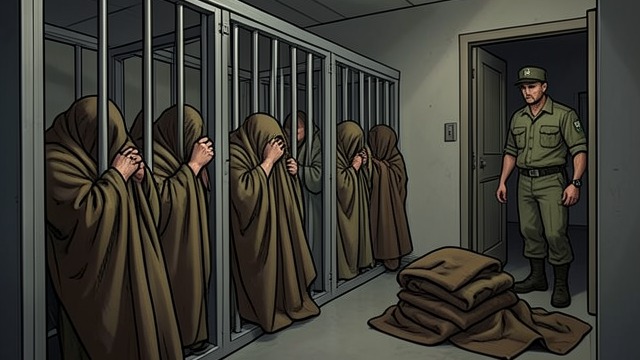
The British government ends special category treatment for paramilitary prisoners. Republican prisoners are placed in ordinary uniforms and cells, a change intended to classify them as criminals.
Protest begins
Prisoners refuse the uniforms and wrap themselves in blankets. Their clothing becomes a visible argument over whether their struggle is political or criminal.
The Dirty Protest
Escalation Inside the H Blocks
Refusing routine
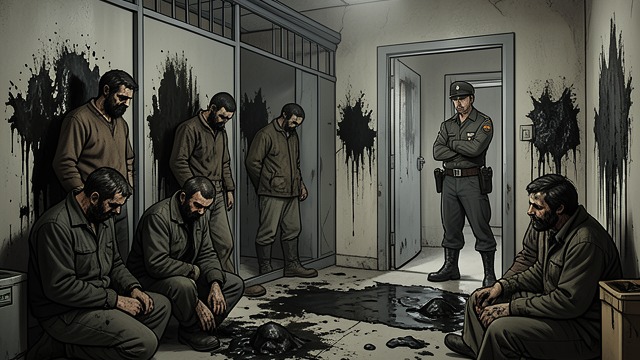
Beatings and restrictions push some prisoners to stop washing and eventually to smear waste on cell walls. The prison becomes a site of confrontation over basic dignity.
No easy resolution
Each side treats concession as defeat. The protest attracts attention to conditions but does not restore special status, leaving hunger strike as the next escalation.
Hughes Leads a Strike
A Failed First Hunger Strike
Collective sacrifice
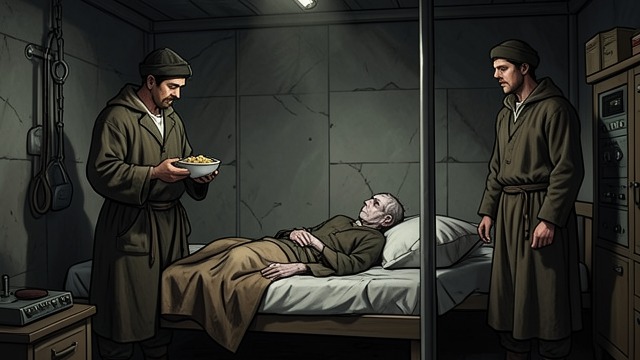
Brendan Hughes joins six other prisoners in refusing food. The simultaneous start creates a dilemma over what to do when one striker approaches death.
Hughes calls a halt
When Sean McKenna becomes critically ill, Hughes orders him fed and ends the strike. Hughes later feels that he has broken both a promise and the prisoners’ leverage.
Sands and Electoral Politics
A New Strategy Emerges
A staggered strike
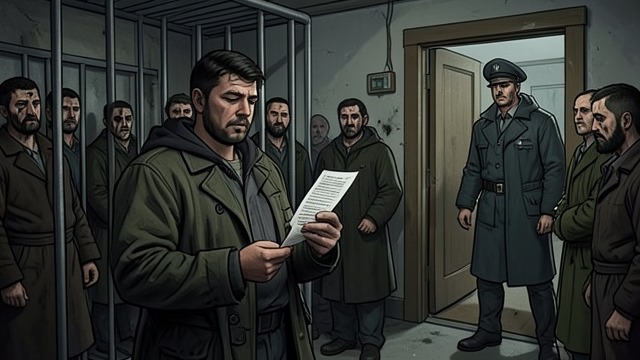
Bobby Sands begins refusing food, followed by other prisoners. His candidacy in a by-election turns the protest into an electoral event watched internationally.
A political opening
Sands’s victory suggests that popular sympathy can be mobilized at the ballot box. Gerry Adams and Danny Morrison recognize the potential for a political strategy alongside armed struggle.
Ten Deaths and Their Legacy
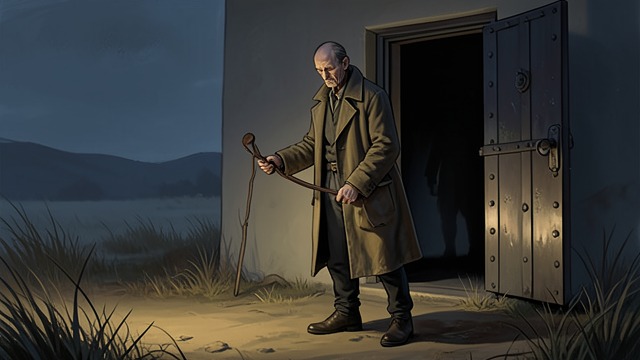
A Fatal Standoff
Sands dies
Margaret Thatcher refuses to grant political status, and Sands dies after sixty-six days without food. Nine other prisoners die over the summer.
Strategy and grief endure
The strike brings a surge of republican electoral support but leaves arguments about leadership decisions and preventable deaths. Dolours Price later wonders whether the end of force-feeding helped shape these events.
1976
1977–1980
October–December 1980
March–April 1981
May–August 1981
